%3Aformat(webp)%2Fmedia-admin%2F4e99fd36-3c02-46e3-a93f-583e5d81a09f-dscf2558.jpg&w=1920&q=75)
%3Aformat(webp)%2Fimg%2F2048x1536%2F7073.jpg&w=1920&q=75)
Your gateway to Latin America’s most authentic journeys
Our thoughtfully curated small-group Latin America trips open the door to genuine cultural encounters, trusted guidance, and the comfort of travelling with a brand shaped by passion and integrity.
Behind every journey is Ventura Travel, trusted by more than 100,000 travellers since 2001
Travel in good company, not a crowd
With no more than 12 travellers, our journeys feel personal and friendly — the perfect balance of companionship and space
Your trip goes ahead, whatever happens
Once you’ve booked, your departure is guaranteed — no cancellations due to numbers, no uncertainty, just peace of mind
Every detail checked, every experience authentic
Our expert team personally visits and reviews every aspect of each trip, ensuring quality, comfort, and genuine local insight
Book with complete confidence
Your holiday is financially protected, so you're covered from the moment you book.
Flights made straightforward
You book your flights separately, but we publish recommended routes, airlines and timings so you can choose with confidence.
No surprises, no hidden costs
What you see is exactly what you pay - no unexpected extras, just honest value and clear pricing from start to finish

Customer Satisfaction
Ventura Travel Brands' tours have been rated as excellent by travellers
%3Aformat(webp)%2Fe7209c14-91b8-45db-adf7-23e2e7465143-ventura-travel-icon.png&w=1920&q=75)
A trusted travel partner for over 2 decades
Over 100,000 people have travelled with Ventura Travel's brands since 2001

Sustainability Certification – TourCert
As a responsible Tour Operator, we are certified by TourCert
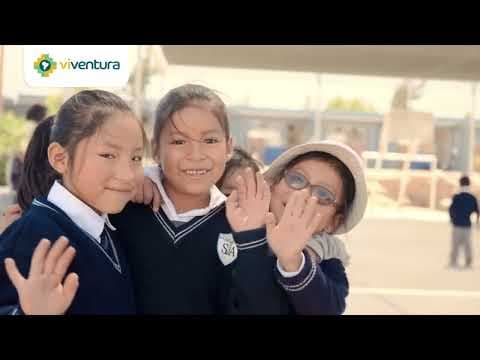
Is Viventura right for me? Viventura is for travellers who want to experience Latin America with depth, warmth and understanding. Our small-group journeys focus on people, culture and varied landscapes, rather than rushing between highlights.
Who tends to enjoy Viventura most?
Who might prefer a different style? If you want fast-paced travel covering many countries quickly, or resort-based holidays, Viventura may not be the best match.
%3Aformat(webp)%2Fheader_media%2F200f9aef-69bd-4499-9803-cb4c9ea97cf8-contact-page-team.jpg&w=1920&q=75)
We've been crafting exceptional journeys to Latin America since 2001. For you, that means well-paced, meticulously planned itineraries, authentic experiences, and excellent value – with no compromises. Our deep regional knowledge, supported by four local offices across the continent, ensures you're in expert hands from start to finish.
We don’t just take you to Latin America – we bring it to life, sharing the culture, beauty and spirit that continue to inspire us every day.
%3Aformat(webp)%2Fhubspot_blogs%2F136878653055-Amazonerainforesttour12.jpg&w=1920&q=75)
Be a Force for Good — and Help Protect Our Living Planet
Transform lives, protect forests, and be part of a movement that truly matters
Your journey can change the world. Thanks to travellers like you, our charitable foundation has raised over €1 million, supporting 26 community and conservation projects across the globe — from protecting rainforests to empowering local guardians
Ventura Travel is the parent brand of specialist tour operators like Viventura, responsible for creating small-group, community-based journeys for curious travellers, working directly with local partners and focusing on depth, not mass tourism.
Your holiday is financially protected. Every booking is covered by an established travel protection scheme, so the money you pay us is safe and you're protected in the unlikely event of insolvency. You'll receive a protection certificate with your booking, giving you complete peace of mind.
International flights are not typically included in the tour price. This gives you the flexibility to choose the airline, cabin class and departure airport that best suits your plans.
When you enquire or book with us, we'll proactively recommend the best flight options for your chosen tour, including suitable routes, airlines and departures from both London and regional UK airports where available. Most travellers choose to reserve their place on the tour first and then book their flights with our guidance.
Our aim is to make arranging your journey as straightforward as possible, so you can focus on looking forward to your adventure rather than worrying about the logistics.
Your guide is your first escalation point and can usually assist in the majority of circumstances but if you need to escalate an issue that your guide cannot assist with, we offer 24/7 support via phone and email; emergency contact information will be provided in your travel documents.
Travel insurance is not included in our pricing but is strongly recommended.
This trip is generally not suitable for people with reduced mobility. Please contact us for detailed information about the requirements of this trip, taking your specific needs into account.
What are the entry requirements for Colombia?
British citizens do not need a visa for tourist stays in Colombia of up to 90 days. Your passport should be valid for at least six months from your date of entry, and you may be asked to show proof of onward or return travel, as well as evidence of sufficient funds for your stay.
Entry requirements can change, so we recommend checking the latest UK Foreign, Commonwealth & Development Office (FCDO) travel advice before you travel, including the latest health and vaccination guidance: www.gov.uk/foreign-travel-advice/colombia.
Important: If you hold a nationality other than British, please let us know when you enquire or book so that we can advise you on the entry requirements that apply to your passport.
What are the entry requirements for Peru?
British citizens do not need a visa for tourist stays in Peru of up to 90 days. Your passport should be valid for at least six months from your date of entry, and you may be asked to show proof of onward or return travel.
Peruvian immigration now records most visitor entries electronically, so you will not usually receive a paper entry card. The length of stay granted is determined by the immigration officer on arrival.
Entry requirements can change, so we recommend checking the latest UK Foreign, Commonwealth & Development Office (FCDO) travel advice before you travel: www.gov.uk/foreign-travel-advice/peru.
Important: If you hold a nationality other than British, please let us know when you enquire or book so that we can advise you on the entry requirements that apply to your passport.
As a tour operator, we are unable to provide individual medical or vaccination advice. We recommend consulting your GP or a qualified travel health clinic well in advance of your departure to discuss the vaccinations and precautions appropriate for your itinerary and medical history.
You can also find the latest destination-specific health information and vaccination recommendations on the NHS Fit for Travel website (www.fitfortravel.nhs.uk) and TravelHealthPro (travelhealthpro.org.uk).
There are no mandatory vaccinations for direct entry to Peru from the UK or Europe. However, a yellow fever vaccination certificate may be required if you are arriving from a country where yellow fever is present. Yellow fever vaccination is recommended for some parts of the Peruvian Amazon but is not normally recommended for travel limited to Lima, Cusco, the Sacred Valley, Machu Picchu or Lake Titicaca.
As a tour operator, we are unable to provide individual medical or vaccination advice. We recommend consulting your GP or a qualified travel health clinic well in advance of your departure to discuss the vaccinations and precautions appropriate for your itinerary and medical history.
You can also find the latest destination-specific health information and vaccination recommendations on the NHS Fit for Travel website (www.fitfortravel.nhs.uk) and TravelHealthPro (travelhealthpro.org.uk).
If you have any pre-existing medical conditions or concerns about travelling, we recommend discussing these with your healthcare professional before booking or travelling.
As a tour operator, we are unable to provide individual medical or vaccination advice. We recommend consulting your GP or a qualified travel health clinic well in advance of your departure to discuss the vaccinations and precautions appropriate for your itinerary and medical history.
You can also find the latest destination-specific health information and vaccination recommendations on the NHS Fit for Travel website (www.fitfortravel.nhs.uk) and TravelHealthPro (travelhealthpro.org.uk).
There are no mandatory vaccinations for direct entry to Colombia from the UK or Europe. However, yellow fever vaccination is recommended for travel to some regions of Colombia, and proof of vaccination may be required if you are travelling to certain national parks or onward to another country. Your healthcare professional can advise whether a yellow fever vaccination is recommended for your itinerary.
We are committed to ensuring the best possible experience for our travellers. Some minor itinerary details may change before or during the trip for reasons beyond our control. These changes may be due to, among other things, limited availability from a service provider or government-imposed measures. We will strive at all times to minimise the impact of these changes and proactively inform our travellers.
Ventura Travel offers small-group, expert-led journeys focused on authentic, sustainable experiences. Our tours go beyond mass tourism, supporting local communities and providing unique, in-depth cultural encounters.
1. The tip is almost always included in your bill, look for the word “Propina” 2. Ask if the water is okay to drink, if not, purchase Bottled Water 3. If the water is not drinkable, avoid ice and ice in drinks 4. Do not drink fruit juice from cans or bottles already opened 5. Do not eat raw or half cooked shellfish 6. Use caution when purchasing food from street vendors 7. Always wash fruits and vegetables before eating 8. Do not leave drinks unattended 9. Restaurants typically do not give reimbursements for bad service or food
The electric current outlets in Colombia, Ecuador, Peru, Bolivia, and Venezuela are 110 voltage. Most US electronics will work without an adapter as the standard outlets in these countries have two flat prongs. However if you have some electronics with three prongs, it would be wise to bring an adapter just in case. In the countries of Brazil, Argentina, and Chile the standard voltage is 220 V and in some parts of Brazil 127 V so you’ll want to bring convertors.
Absolutely! Many of our guests travel solo. We offer the option to share a room with another solo traveller or book a single room for an additional fee.
Yes, on some trips. Where available, we offer options to extend your stay or add pre- and post-tour nights. Let us know your preferences and we’ll help arrange additional services where possible.
Yes. Mobile phone coverage is generally good in towns, cities and most tourist destinations across South America, although coverage can be limited in more remote areas such as national parks, mountainous regions and parts of the Amazon.
Before you travel, check with your mobile provider whether your plan includes roaming in the countries you are visiting and what charges apply for calls, texts and mobile data. Many travellers now choose to use an eSIM for more affordable mobile data during their trip, provided their phone is compatible. Popular and reliable providers include Airalo, Holafly and Nomad, all of which offer straightforward installation, competitive pricing and regional plans covering multiple South American countries. Airalo is an excellent all-round choice, Holafly is ideal if you need unlimited data, and Nomad offers great value with flexible data plans.
Most hotels, cafés and restaurants offer free Wi-Fi, making it easy to stay in touch using apps such as WhatsApp, FaceTime or other internet-based messaging and calling services.
Yes, Tayrona National Park can be visited for most of the year. However, the park closes three times each year for approximately two weeks at a time to allow the Indigenous communities of the Sierra Nevada de Santa Marta to carry out traditional ceremonies and to give the park's ecosystems an opportunity to recover from visitor impact.
The scheduled closure periods are typically:
1–15 February 1–15 June 19 October–2 November
During these dates, the park is closed to all visitors.
No. While we sell tours in multiple countries (i.e. Germany, France, United Kingdom, etc), we do not combine guests from those countries into a single departure. However, if, for instance, a German customer were to purchase from one of our UK sites (i.e. www.africaventura.co.uk as opposed to www.africaventura.de), nothing would stop them from doing so but the tour would be conducted in English.
We intentionally keep our groups small to ensure a more personal and immersive experience. The vast majority of our tours have a maximum limit of 12 and on average our tours have around 9 travellers. However, a very small number of our trips allow up to 16 travellers.
How much you spend in Colombia will depend largely on your personal travel style. Some travellers are happy with a modest budget, while others prefer to spend more on souvenirs, optional excursions, premium restaurants or evenings out.
As a general guide, we recommend budgeting around £150 per person per week for lunches, dinners not included in your itinerary, drinks and personal expenses. If you plan to purchase souvenirs or take optional excursions, you may wish to budget a little more.
Approximate local prices are:
Lunch or dinner: £5–£12 Bottled water (500ml): £0.50–£1 Local beer: £1.50–£3 Coffee: £1–£2 Glass of wine: £3–£6
Please note that prices are generally higher in more tourist-oriented destinations such as Cartagena than in other parts of the country, and exchange rates may affect the sterling equivalent.
We organize a chat before the start of your trip with all the tour participants. This allows us to respond to questions about recent travel and to let travelers connect and get to know each other.
DColombia has undergone a remarkable transformation in recent years and is now one of South America's most popular travel destinations. While some remote regions remain affected, these areas are well away from the places visited on our itinerary and are avoided in line with UK Foreign, Commonwealth & Development Office (FCDO) travel advice.
The destinations included on our tours are well established on Colombia's tourist trail and are visited safely by thousands of international travellers each year. As with any destination, sensible precautions should be taken: keep valuables out of sight, use registered taxis or transport arranged by your tour guide.
For a genuine insight into travelling in Colombia, we encourage you to read the reviews and trip reports from our previous guests at www.viventura.co.uk/trip/xcol#tab=reviews. We also recommend checking the latest FCDO travel advice before departure at www.gov.uk/foreign-travel-advice.
Travelling to another country is an opportunity to experience different cultures, traditions and ways of life. One of the greatest rewards of travel is meeting people whose perspectives and customs may differ from your own.
During your journey, you may notice differences in attitudes towards punctuality, personal space, service, comfort and everyday routines. Approaching these experiences with curiosity, openness and respect will help you gain a deeper understanding of the places you visit and the people who call them home.
Travelling with an open mind often leads to the most memorable experiences. Embrace the unexpected, be patient when things don't always go to plan, and enjoy discovering a different way of seeing the world.
South America is renowned for its diverse and flavourful cuisine, and trying local dishes is an important part of the travel experience. The restaurants included in our itineraries are carefully selected, and your tour guide will be happy to recommend safe and authentic places to eat during your free time.
Sensible—but not excessive—caution is advisable when choosing where to eat and drink. Choose busy restaurants and cafés that are popular with local people, as high turnover is usually a good indication of fresh food. Drink bottled, filtered or purified water rather than untreated tap water. In reputable establishments, ice is generally safe, but if you are unsure, it is best to ask.
Fresh fruit is an excellent choice, particularly if it can be peeled before eating. In more remote areas, you may wish to avoid salads and raw vegetables if you are uncertain how they have been washed. Ensure meat and seafood are freshly prepared and thoroughly cooked unless dining at a reputable restaurant specialising in raw dishes such as ceviche. Even with these precautions, some travellers may experience a mild stomach upset while adjusting to unfamiliar foods and local bacteria. This is usually short-lived.
Breakfast in South America is often lighter than many travellers are used to in the UK, typically consisting of bread or rolls, butter, jam, fruit, eggs, cheese, ham, yoghurt, cereal, tea and coffee. The exact selection varies by country and accommodation.
Vegetarian meals are widely available in most cities and tourist destinations, and can be arranged for the meals included in your itinerary. However, the choice may be more limited in rural or remote areas. If you have any dietary requirements or food allergies, please let us know before you book so that we can advise you on the options available for your chosen tour. While we will always do our best to accommodate dietary needs where possible, this may not be feasible in every location due to logistical constraints.
-Day pack -Broken-in hiking boots (sneakers are not suitable) -Full rain gear or poncho -Gloves -Lightweight hiking pants (recommended) or shorts -Breathable dryfit top-wear -Comfortable shoes/flip-flops -Cold-weather jacket -Long-sleeve fleece/sweater -Wool hat -Baseball cap or sombrero -Binoculars -Headlamp -Sunglasses -Comfortable hiking socks (at least 4 pairs) -Sunscreen -Insect repellent -Bathing suit -Casual mountain wear for evenings -Photo/video cameras and chargers -Trekking poles (Quality wooden walking sticks are provided) -Refillable water bottle (hydration bags are recommended)
The most common complaints on a Patagonia trip are the following. Colds: relatively common due to low temperatures! Tip: wrap up warm. Heat exhaustion: lack of fluids or salt can lead to heat exhaustion, showing as tiredness, headaches and occasionally mild nausea and dizziness - drink plenty of water and avoid direct sun. Travellers' diarrhoea: in Argentina and Chile the water is usually safe. Eat in clean restaurants and check locally whether tap water is drinkable.
Our tour prices typically include accommodation, most meals, guided activities, entrance fees, and ground transportation. Specific inclusions are listed on each trip page.
Argentina: Argentina can be visited year-round, although the most popular time to travel is during the southern hemisphere spring and summer (October to March). As one of the world's largest countries, its climate varies considerably by region. The north-west is generally dry, with most rainfall falling during the summer months. The north-east, including Iguazú Falls, has a humid subtropical climate with warm temperatures throughout the year. Patagonia ranges from the dry, windswept steppe in the east to the cooler, wetter Andes in the west, while Tierra del Fuego remains cool year-round with frequent rain and strong winds. As temperatures can vary significantly between regions and elevations, we recommend packing a range of clothing, from lightweight summer wear to warm layers.
Chile: Stretching over 4,000km from north to south, Chile spans a remarkable range of climate zones. The far north, including the Atacama Desert, is one of the driest places on Earth, with warm days, cool nights and very little rainfall. Around the Tatio Geysers, early morning temperatures can fall below 0°C due to the high altitude. Central Chile, including Santiago, enjoys a Mediterranean climate with warm, dry summers and cooler, wetter winters. Along the coast, the cold Humboldt Current brings cooler temperatures, fresh sea breezes and occasional coastal fog. Southern Chile and Patagonia are cooler and wetter throughout the year, with changeable weather, strong winds and the possibility of rain even during the summer months.
Brazil: Brazil is predominantly tropical, although its climate varies considerably across this vast country. The north, including the Amazon Rainforest, is hot, humid and receives rainfall throughout the year, with a relatively drier period between approximately June and November, depending on the region. The Pantanal wetlands are generally considered best for wildlife viewing during the dry season (approximately May to September), when animals gather around shrinking water sources, while the wetter months transform the landscape and attract large numbers of birds. Southern Brazil has a subtropical climate with distinct seasons, experiencing its warmest weather between November and March.
Argentina can be visited year-round, although the most popular time to travel is during the southern hemisphere spring and summer (October to March). As one of the world's largest countries, its climate varies considerably by region and altitude.
The north-west is generally dry, with most rainfall falling during the summer months. The north-east, including Iguazú Falls, has a humid subtropical climate with warm temperatures throughout the year. Patagonia ranges from the dry, windswept steppe in the east to the cooler, wetter Andes in the west, while Tierra del Fuego remains cool year-round with frequent rain and strong winds.
As temperatures can vary significantly between regions and elevations, we recommend packing a range of clothing, from lightweight summer wear to warm layers, so you are well prepared for the different conditions you may encounter.
Colombia's climate is remarkably diverse. Although the country lies on the equator and has no traditional seasons, altitude plays a much greater role than latitude in determining the climate. As you travel through Colombia, it is possible to experience several different climate zones within just a few hours.
Tierra Caliente (Hot Land): From sea level to around 1,000m, temperatures are generally between 24°C and 30°C throughout the year, with only a slight drop at night. This includes much of the Caribbean coast and lowland rainforest. The Pacific coast is also hot but exceptionally humid.
Tierra Templada (Temperate Land): Between approximately 1,000m and 2,000m, temperatures are generally a pleasant 18°C to 24°C. Colombia's famous Coffee Region lies within this zone, which enjoys a mild climate and lush vegetation.
Tierra Fría (Cool Land): Between 2,000m and 3,200m, daytime temperatures are usually between 13°C and 20°C, although nights can be much cooler. Bogotá and many Andean towns lie within this climate zone. At these elevations, the sun is particularly strong, so good sun protection is essential.
Páramo: Above approximately 3,200m, the landscape changes dramatically to high-altitude grasslands and unique alpine vegetation found almost nowhere else on Earth. Temperatures are typically below 10°C, with frequent mist, strong winds and rapidly changing weather.
Permanent Snow and Ice: Above approximately 4,600–4,800m, permanent snow and glaciers can still be found on Colombia's highest volcanic peaks. Temperatures hover around freezing or below throughout the year.
Andean region: Mild, spring-like weather throughout the year, with a wetter season from November to April and a drier period from May to October. This also applies to Machu Picchu, although it is generally warmer and more humid than Cusco due to its lower altitude. During the southern hemisphere summer (UK winter), daytime temperatures typically range between 20°C and 25°C, becoming cooler at higher elevations. Evenings and nights are much cooler, with temperatures ranging from 0°C to 15°C; nights around Lake Titicaca can fall below freezing during the dry season.
Coast: Warm and sunny with very little rainfall from December to April, when daytime temperatures typically range between 24°C and 29°C, accompanied by high humidity. From May to September, much of the coast lies beneath a thick blanket of low cloud and mist known as garúa, with daytime temperatures generally between 15°C and 19°C and persistent humidity.
The lodges have an electric current of 220 volts. If you have electric appliances/devices that work with 110 volts, you should bring your own adapters since there is a limited supply of these in the lodges for your use.
You can find up-to-date safety and security information for Argentina in the UK Foreign, Commonwealth & Development Office (FCDO) travel advice at www.gov.uk/foreign-travel-advice/argentina.
You can find up-to-date safety and security information for Colombia in the UK Foreign, Commonwealth & Development Office (FCDO) travel advice at www.gov.uk/foreign-travel-advice/colombia.
The latest safety, security, entry requirement and health advice for British travellers is available from the UK Foreign, Commonwealth & Development Office (FCDO). As travel advice can change at short notice, we recommend checking the guidance before departure and again shortly before you travel.
Peru: www.gov.uk/foreign-travel-advice/peru Bolivia: www.gov.uk/foreign-travel-advice/bolivia Chile: www.gov.uk/foreign-travel-advice/chile
The FCDO provides up-to-date information on safety and security, entry requirements, local laws, health, natural disasters and any areas where travel is advised against. If you plan to travel independently before or after your tour, we recommend checking that your additional destinations are also covered by the latest FCDO advice.
You can find up-to-date safety and security information for Peru in the UK Foreign, Commonwealth & Development Office (FCDO) travel advice at www.gov.uk/foreign-travel-advice/peru.
You can find up-to-date safety and security information in the UK Foreign, Commonwealth & Development Office (FCDO) travel advice: Argentina - www.gov.uk/foreign-travel-advice/argentina; Chile - www.gov.uk/foreign-travel-advice/chile; Brazil - www.gov.uk/foreign-travel-advice/brazil.
Argentina is three hours behind the UK during British winter (GMT) and four hours behind during British Summer Time (BST).
Argentina: Argentina operates on Argentina Time (ART) and does not observe daylight saving time. It is 3 hours behind the UK during Greenwich Mean Time (GMT) and 4 hours behind during British Summer Time (BST).
Chile: Mainland Chile observes daylight saving time, typically from September to April. As a result, the time difference with the UK varies slightly throughout the year. For most of the year, mainland Chile is 3 to 4 hours behind the UK during Greenwich Mean Time (GMT) and 5 hours behind during British Summer Time (BST).
Brazil: Brazil has several time zones and no longer observes daylight saving time. The main time zone (including Brasília, São Paulo and Rio de Janeiro) is 3 hours behind the UK during Greenwich Mean Time (GMT) and 4 hours behind during British Summer Time (BST). The western Amazon region (including Manaus) is 4 hours behind the UK during GMT and 5 hours behind during BST. The north-east (including Salvador and Recife) follows the same time zone as Brasília.
Colombia operates on Colombia Time (COT) and does not observe daylight saving time. It is 5 hours behind the UK during Greenwich Mean Time (GMT) and 6 hours behind during British Summer Time (BST).
Peru is five hours behind the UK during British winter (GMT) and six hours behind during British Summer Time (BST).
We select comfortable, well-located hotels and guesthouses that reflect the local character. Accommodation standards and details are listed on each trip page.
The volume of water plunging over the falls does not depend directly on rainfall at Iguazu itself, but on the water levels of the feeder rivers. The comparatively lowest average water volume at the falls is between June and August. This somewhat lower volume takes nothing away from the spectacle - visiting the falls is an unforgettable experience at any time of year.
If you have any food allergies, intolerances or other medical dietary requirements, please let us know before you book, or as early as possible afterwards. This allows us to advise you on whether your needs can be accommodated on your chosen tour and to make the necessary arrangements where possible.
We will always do our best to cater for dietary requirements, particularly for the meals included in your itinerary. However, due to the nature of travel in some remote areas and the facilities available, it may not always be possible to accommodate every allergy or dietary requirement. If this is the case, we will let you know in advance so that you can make an informed decision before you travel.
You can find information regarding vaccines here
Customer Satisfaction
Ventura Travel Brands' tours have been rated as excellent by travellers
A trusted travel partner for over 2 decades
Over 100,000 people have travelled with Ventura Travel's brands since 2001
Sustainability Certification – TourCert
As a responsible Tour Operator, we are certified by TourCert
Select Date Range
Contact us
We’d love to hear from you. Please fill out this form.
All fields marked with (*) are mandatory.
%3Aformat(webp)%2Fheader_media%2F8cce448b-579d-4f7b-8892-6305d891d0b0-yunguilla10.jpg&w=1920&q=75)
%3Aformat(webp)%2Fhubspot_blogs%2F150075061842-Drakensberg2.png&w=1920&q=75)
%3Aformat(webp)%2F02e7f2c3-d3bc-4247-8176-ffa581b64506-vi_ventura_logo_1402px_full_color.png&w=1920&q=75)
%3Aformat(webp)%2Fprofile-picture%2F5fd79a46-6a23-4547-8518-b4068b58975f-f3895e68-219c-4e67-87c6-d80f42d2c815-9D14F6FB-5601-48CA-8E3C-B9B459218497.jpg&w=1920&q=75)
%3Aformat(webp)%2Fprofile-picture%2F16d4fa55-a01d-4c4d-89a0-c0ef30433177-b00f6910-f87f-437d-a370-84b636b084b9-7a1c726f-d235-472c-b4e0-c7553c729b9e.jpeg&w=1920&q=75)
%3Aformat(webp)%2Fprofile-picture%2Ff1b036fb-3cc5-4b59-beb3-f41c82e58932-52bd8473-9a08-49b8-9025-b47e6b62b14c-F427B006-14B0-4847-85AB-D370D8EB1197.jpg&w=1920&q=75)
%3Aformat(webp)%2Fprofile-picture%2F1b94eff9-5e96-4b30-803e-8093ce7b42ef-1630fbda-e666-49b7-9a9e-5ac18b0d1926-2C56EE68-21D4-4E67-BD45-6A6D4199A045.jpg&w=1920&q=75)
%3Aformat(webp)%2Fheader_media%2Fe1ee5a5c-8a9e-4884-8dcf-fd82866a1552-header-xpbc.jpg&w=1920&q=75)
%3Aformat(webp)%2Fimg%2F2048x1536%2F162755.jpg&w=1920&q=75)
%3Aformat(webp)%2Fgal%2Ffilter%2Fs%2Fm%2Fsmall10_3.jpg&w=1920&q=75)
%3Aformat(webp)%2Fhighlight%2F489ab9a7-6fa3-44d1-9bcd-2de315481fe3-2019-11-06-day-6-seaman-journey-rabida-and-chinese-hat-350-of-497-.jpg&w=1920&q=75)
%3Aformat(webp)%2Fday_detail%2F9d867558-f96f-4d35-a27d-a091dd43e6c5-paul-vhze9fd9mrs-unsplash.jpg&w=1920&q=75)
%3Aformat(webp)%2Fday_detail%2Fcc08b512-78f2-4278-97fd-481027441792-aarom-ore-yrqyn1gb80k-unsplash.jpg&w=1920&q=75)
%3Aformat(webp)%2Fheader_media%2Fd3eb0a0f-f33d-4411-9525-314bac547e2d-costa-rica-14-1-.jpg&w=1920&q=75)
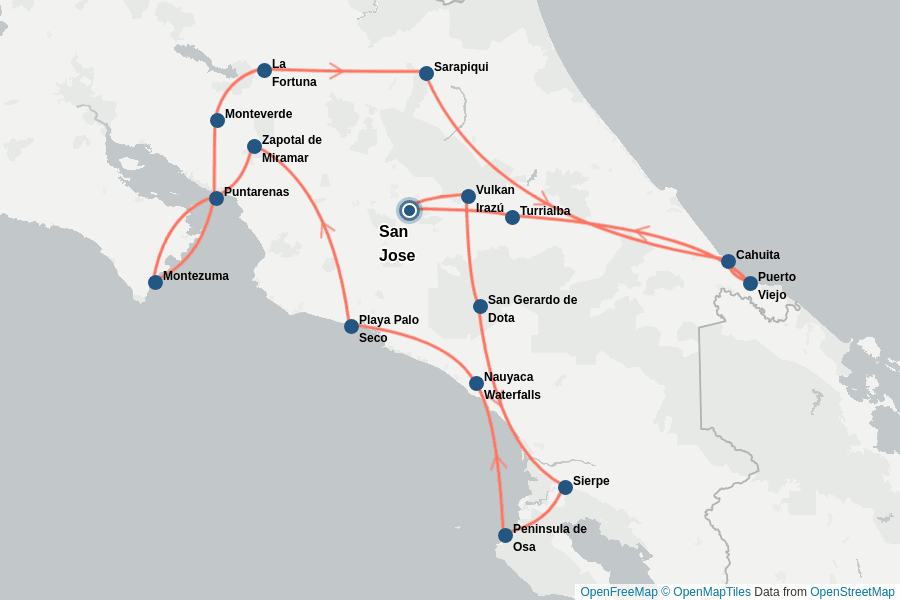
%3Aformat(webp)%2Fday_detail%2Faffc94ff-7294-42a4-b667-639d87be182e-costa-rica-45-1-.jpg&w=1920&q=75)
%3Aformat(webp)%2Fheader_media%2F234b5621-7609-4096-83c1-517f02cd4615-9d7bf0fa-de94-4d41-b3da-144d44eee6b4-1.jpg&w=1920&q=75)
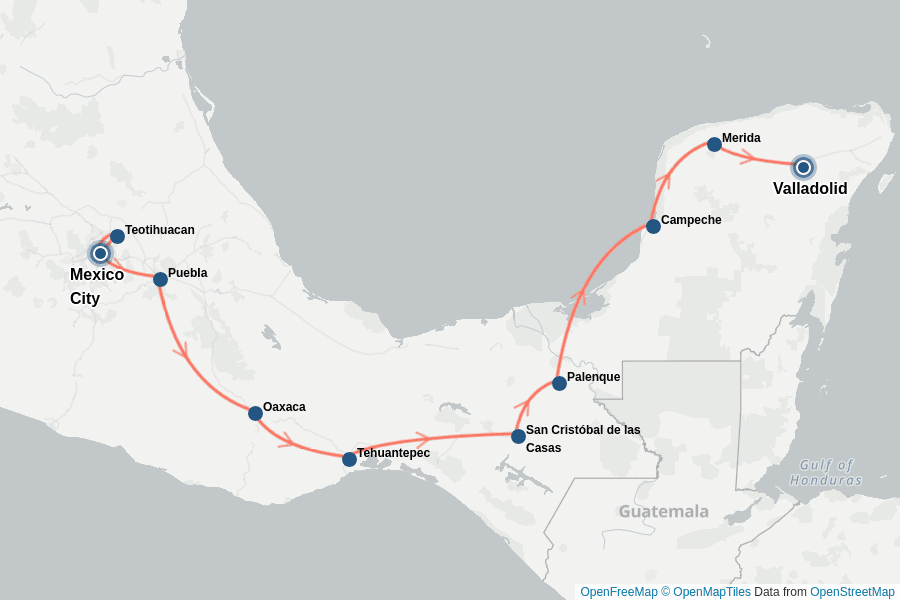
%3Aformat(webp)%2Fday_detail%2Ff9bc9895-a941-4c49-bbbd-492e6b2f3271-pxl_20250819_033138598.portrait.jpg&w=1920&q=75)
%3Aformat(webp)%2F87b5a49a-4baa-48ed-ab86-974774c15fa7-japa-ventura-1000x1000px-10.png&w=1920&q=75)
%3Aformat(webp)%2F385a92a0-f969-4919-b7eb-028661c84d19-africa-ventura-1000x1000px-01.png&w=1920&q=75)
%3Aformat(webp)%2F1fea169b-c1b4-4732-a179-cbb3e529756b-asiaventura-brand-1000x1000px-07.png&w=1920&q=75)
%3Aformat(webp)%2F292fbe34-7b36-472c-96d1-d5cf7c798d76-karmaventura_logo_600px-square.png&w=1920&q=75)
%3Aformat(webp)%2Fdc2f600c-f171-4707-9a06-67b2c22c95a3-china-tours-500x500-square-logo.png&w=1920&q=75)
%3Aformat(webp)%2Fef2e76ce-a9f7-45a4-82fb-14da90f5a5c0-polar-tours-1000x1000px-05.png&w=1920&q=75)
%3Aformat(webp)%2F63cfc585-6541-4f3f-8820-6fc022e1d7ac-galapa-tours-1000x1000px-04.png&w=1920&q=75)